West Broadway Locksmith Service Team
Local locksmith team
Jun 16, 2026 10 min read
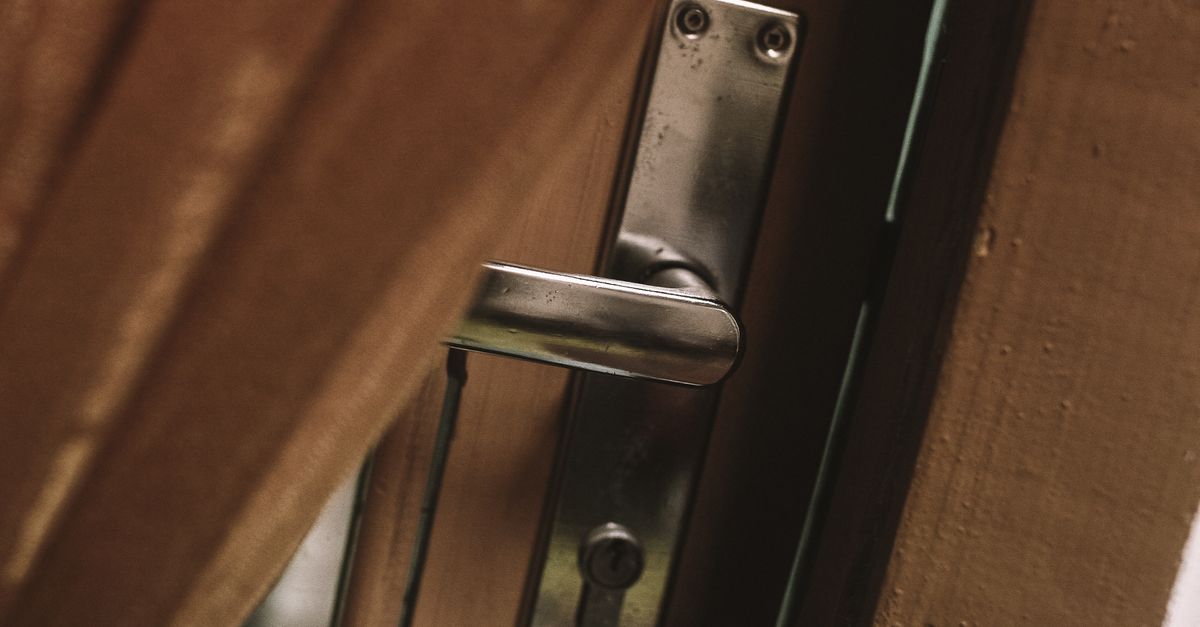
If you live in a pre-war co-op or rental on the Upper West Side, Greenwich Village, or along one of the grand avenues of the Bronx, you have probably noticed that your front door does not operate quite like the doors in newer buildings. Instead of a simple knob or a lever with a separate deadbolt, there is a single, heavy rectangular lock body set deep into the edge of the door — a mortise lock. These mechanisms are not quirks or oversights. They are deliberate engineering decisions made over a century ago, and understanding why they are still here tells you a lot about how to keep your apartment door secure today.
Manhattan's pre-war housing stock — generally defined as buildings completed before World War II — represents hundreds of thousands of units across neighborhoods from Inwood to the Financial District. The builders of those 1910s and 1920s limestone and brick walk-ups specified mortise locks because, at the time, they were the gold standard in residential security. Remarkably, many of those same locks are still turning smoothly in 2024. This guide explains the history behind that staying power, what can go wrong over time, when an upgrade makes sense, and how a skilled locksmith can help you get the most out of whatever hardware is on your door.
## The History Behind the Mortise Lock in New York's Apartment Buildings
The mortise lock takes its name from the mortise — the rectangular pocket routed into the door stave to receive the lock body. Unlike a bored cylindrical lock, which sits in two round holes drilled through a door, a mortise lock is fully recessed, making it nearly impossible to knock off with a kick or a wrench. When New York's great apartment boom was underway in the late 19th and early 20th centuries, building owners and architects wanted hardware that projected permanence and quality. Cast-iron and later steel mortise assemblies, paired with heavy brass faceplates and ornate escutcheon trim, fit that brief perfectly.
The city's building codes and the practical demands of high-density residential life reinforced the trend. A single mortise lock body could operate a latch bolt, a deadbolt, and sometimes a privacy function all from one keyhole and one thumb turn — reducing the number of holes in the door stave and preserving the structural integrity of solid-wood pre-war doors. Brands like Corbin, Yale, and Sargent produced millions of these units for the New York market, and their modular design meant that a super or a locksmith could replace internal components without swapping the entire lock body. That repairability is a major reason so many of them are still operational today, decades after the factories that made them have closed.
## Why the Mortise Lock Has Outlasted Almost Everything Around It
Pre-war doors themselves deserve part of the credit. The two-inch-thick solid Douglas fir or oak doors common in pre-war construction are dramatically stronger than the hollow-core and solid-core doors standard in post-war builds. That door thickness means the mortise pocket is surrounded by real wood on all sides, distributing force from any attack across a much larger area. The result is a system — door, frame, strike plate, and lock body — that functions almost as a single unit. Swapping that mortise lock out for a modern cylindrical lock would actually require either boring new holes that weaken the door stave or finding a specialty replacement, which is part of why most buildings simply maintain what is there.
There is also a cost-of-replacement reality. A building with 40 units, each with a mortise lock on the apartment door plus mortise hardware on the vestibule and fire-stair doors, is looking at significant labor and material costs to re-door every unit. As long as the existing locks function safely, building managers tend to service them rather than replace them. For individual co-op owners, the same logic applies — especially in buildings where the board controls modifications to entry doors. The practical outcome is that a skilled locksmith who understands mortise mechanisms is not a specialty service in New York; it is a core competency that comes up on nearly every service call in a pre-war building.
## Common Problems With Aging Mortise Locks — and How a Locksmith Fixes Them
Age brings predictable failure modes. The most common complaint our team hears at West Broadway Locksmith is a key that turns but does not fully throw the bolt — usually caused by a worn cam or a tired mainspring inside the lock body. A second frequent issue is a latch bolt that no longer retracts smoothly, often because decades of paint have been rolled over the faceplate, gluing the latch in place or subtly misaligning the strike. A third is cylinder wear: the original key profile can become so rounded from use that it starts slipping, or the cylinder itself has been re-keyed so many times that the pin chambers are no longer crisp. None of these problems require a full lock replacement. A trained locksmith can disassemble the mortise body, clean and lubricate the mechanism, replace the worn internal parts — springs, cams, bolts — and re-install the original hardware, often in under an hour.
Cylinder replacement is one of the most common mortise lock services we perform. The cylinder in a mortise lock is a separate, removable insert held in place by a setscrew on the faceplate. Pulling it is straightforward for a professional, and installing a new high-security cylinder — such as a Medeco or Mul-T-Lock insert — upgrades your pick resistance and bump resistance dramatically without touching the rest of the lock body. This is genuinely one of the most cost-effective security upgrades available to a pre-war apartment owner, and it preserves the original aesthetic of the door. If you are dealing with a lock that is giving you trouble, call 646-809-7510 and we will send a skilled locksmith to assess exactly what the door needs.
## When an Upgrade Makes Sense — Balancing History With Modern Security
Not every pre-war lock is worth saving. If the lock body itself is cracked, if the bolt is no longer square, or if the door has been repaired so many times that the mortise pocket is no longer tight, replacement is the right call. Modern mortise locks — available from manufacturers like Schlage — are designed to fit the same pocket dimensions as many legacy units, making the swap cleaner than most owners expect. A door knob lock paired with a separate deadbolt is another option sometimes explored in pre-war units, but in practice it rarely offers equivalent security because it requires two separate holes in a door that was engineered around one. A full mortise replacement preserves the structural logic of the original installation.
For building owners or property managers thinking about this at scale — say, a gut renovation of a six-unit brownstone in Carroll Gardens or a landmarked building near Riverside Drive — our commercial locksmith services cover master-key systems, tenant key control, and ADA-compliant hardware upgrades that satisfy both the Landmarks Preservation Commission's aesthetic requirements and current building code. We assess each door individually, because pre-war doors are rarely uniform even within the same building, and we provide a clear, up-front price for every scope of work before a single tool comes out. Factors that shape that quote include the type and age of the existing hardware, the number of units involved, any specialty cylinders or restricted key systems required, and travel logistics for the job.
## Emergency Locksmith Situations in Pre-War Buildings — What to Know
Getting locked out of an apartment with a mortise lock has its own character. Because the key profile is often unique to the building's original key blank, hardware-store copies sometimes fail after a year or two of use — leaving you standing in the hallway at midnight with a key that simply will not engage. Before calling anyone, check whether a neighbor has a spare, whether your building super is reachable, or whether another entrance to your apartment is accessible and unlocked. These steps are always worth a quick attempt. If none of those options pan out, that is exactly the scenario our emergency locksmith service is built for. We operate 24 hours a day, seven days a week, across all five boroughs, and we carry a wide range of mortise cylinder blanks and components on every truck so we can resolve most pre-war lock situations on the first visit.
Questions about what an emergency locksmith costs near you are reasonable and common. The factors that determine your final quote include the time of day the call comes in, your location within the metro area, the specific lock model involved, and whether parts need to be installed. We confirm the exact price with you before any work begins — no surprise charges when the job is done. The same transparency applies whether the call is a straightforward residential lockout on West Broadway in SoHo or a more involved commercial locksmith situation at a storefront with a heavy-duty mortise panic device. Reach us any time at 646-809-7510.
Frequently asked questions
How much does an NYC locksmith cost, and what is a locksmith call out fee?+
There is no single flat rate for locksmith work in New York because several variables shape every quote: the type of lock involved (a standard mortise cylinder swap versus a full lock body replacement), the time of day (overnight and weekend calls involve different logistics than weekday appointments), your location within the five boroughs, and whether specialty parts are needed. Some locksmiths charge a separate call-out or trip fee on top of the labor cost, while others fold travel into an all-in price. At West Broadway Locksmith, we confirm a single, exact up-front price before any work starts, so you always know what you are agreeing to. Call 646-809-7510 to get a quote specific to your door and situation.
How much does an emergency locksmith cost near me, and is it more expensive at night?+
Emergency locksmith pricing reflects the real cost of having a trained technician available around the clock, which does differ from standard business-hours work. Time of day is one of the key factors — late-night, early-morning, and holiday calls typically carry a different rate than a midday appointment. Distance, lock type, and any parts needed also affect the total. What should not vary is the practice of telling you the full price before work begins. If a locksmith is reluctant to give you a firm number up front, that is a warning sign. Our team always provides a clear, confirmed price first — whether it is 2 p.m. or 2 a.m.
How do I find a legit locksmith in New York City?+
Start by looking for a locksmith who will give you a firm, written price before touching your lock, not a vague range that expands once they arrive. Ask whether the technician is experienced with your specific lock type — pre-war mortise locks require different knowledge than modern cylindrical hardware, and a generalist who rarely works on them may cause damage. Check that the company has a verifiable local address and that they are insured. Be cautious of locksmiths who quote an unusually low number over the phone and then significantly increase the price on-site. A trustworthy locksmith is transparent about what the job involves, explains your options, and never pressures you to approve work before you understand the scope and cost.
Can my old mortise lock be re-keyed, or does the whole lock need to be replaced?+
In the vast majority of cases, the cylinder in a mortise lock can be re-keyed or replaced independently of the lock body. Because the cylinder is a removable insert — held by a single setscrew on the faceplate — a skilled locksmith can pull it, re-key it to a new key, or swap it for a high-security cylinder that offers improved pick and bump resistance, all without disturbing the rest of the mechanism. Full lock body replacement is only necessary when the internal components are too worn to service, the lock body itself is physically damaged, or you are upgrading to a fundamentally different security level. We assess the condition of your specific lock on-site and walk you through exactly what we recommend and why before any work begins.