Why the Mortise Lock Is the Commercial Standard for Access Control Installation
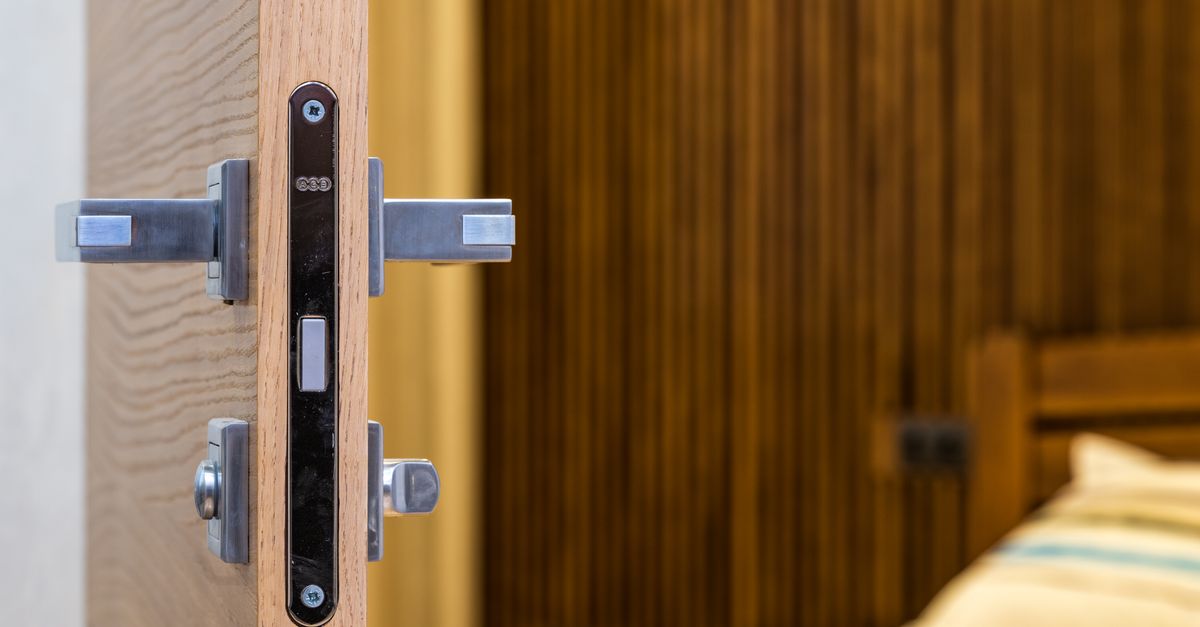
The mortise lock has been the workhorse of New York's commercial doors for over a century, and it remains the preferred platform for modern electronic access control because of how much hardware it packs into a single chassis. Unlike a cylindrical borehole lock, a mortise lock body sits inside a pocket cut into the door edge, housing the latchbolt, deadbolt, strike actuation, and — in access-controlled versions — a motorized or solenoid-driven release and a request-to-exit sensor. That means one lock body handles everything: credential reading, mechanical locking, and safe egress without a second device bolted to the frame. For high-traffic commercial environments — a lobby in Tribeca, a dispensary in the East Village, a law firm reception area on Lexington Avenue — this integration is not just convenient, it is the difference between a door that holds up and one that fails under daily abuse.
Brands like Schlage and other commercial-grade manufacturers produce mortise lock access control bodies rated for hundreds of thousands of cycles, and our technicians are experienced with the full range of mortise formats: F-series, L-series, and specialty fire-rated assemblies required by many New York City buildings. When we arrive at your location, we check the door prep first — handing, backset, thickness, and frame material — so the hardware we install fits precisely. Damage-free installation is always our goal, and on steel or aluminum commercial doors we work carefully to avoid marring finishes or compromising door integrity.