Chevrolet Car Key Replacement: What the Process Actually Involves
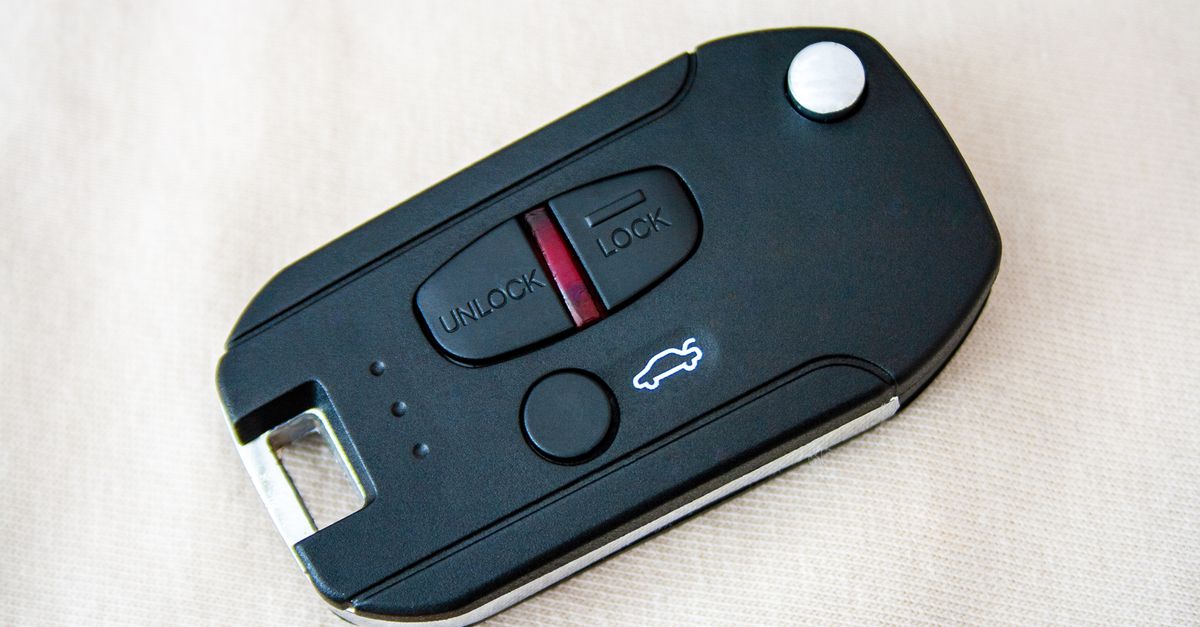
Modern Chevrolet vehicles use several distinct key technologies, and understanding which type your vehicle requires is the first step toward getting back on the road. Older Chevy models may use a basic cut metal key or a transponder key — a key with a small chip embedded in the head that must be electronically paired to the vehicle's immobilizer. Newer models, including the Chevrolet Blazer and Blazer EV, increasingly rely on proximity key fobs or push-button smart keys that communicate with the vehicle wirelessly. Each of these requires different equipment to duplicate or replace, and doing it wrong can leave a key that opens the door but won't start the engine, or worse, lock out a previously working key.
Our technicians arrive with professional-grade key-cutting machines and OBD-II compatible programming tools that handle the full Chevrolet line. For transponder keys, we generate a new chip, cut the blade to your door lock profile, and program the chip to your specific vehicle's immobilizer — all on-site. For smart keys and proximity fobs, we use manufacturer-level programming protocols to sync the new fob correctly, then test it thoroughly before we leave. Ownership verification is always part of the process: we ask for your ID, vehicle registration, and title or insurance card. This protects you as much as it protects us, and it's a step no responsible locksmith skips.