
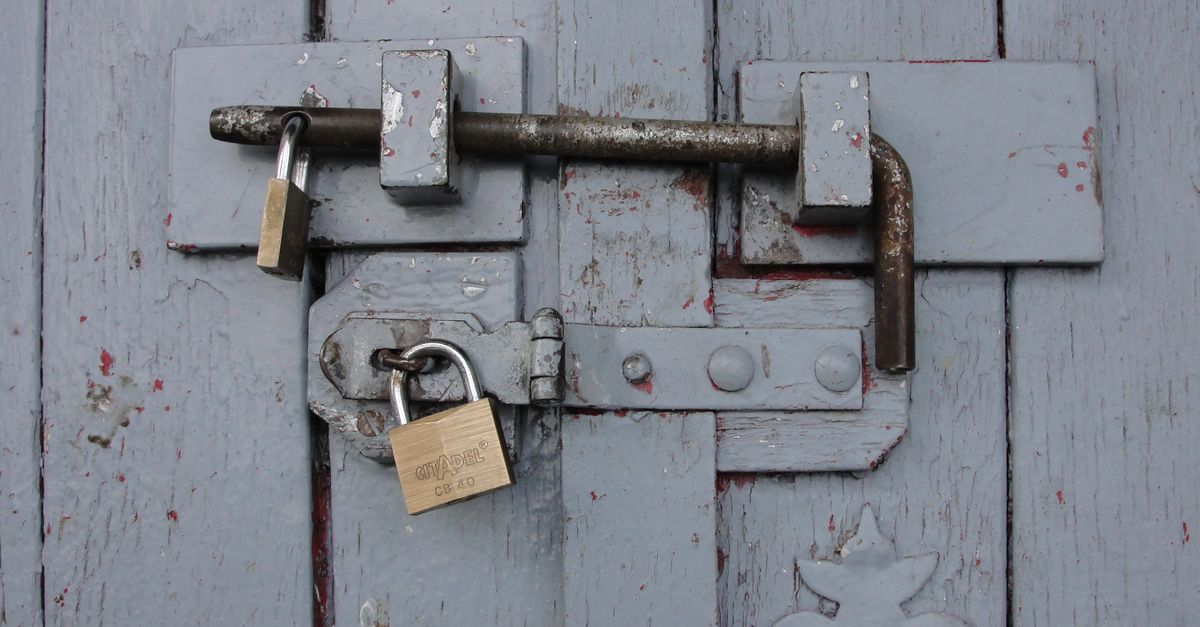
West BROADWAY LOCKSMITH
Locksmith Service

Mortise Lock Repair & Replacement

If you live in a pre-war apartment building on the Upper West Side, a brownstone in Brooklyn Heights, or a classic walk-up off Riverside Drive, there is a good chance your front door runs on a mortise lock — a heavy, rectangular lock body set deep into a pocket (the mortise) cut into the door's edge. These mechanisms have guarded New York homes for over a century, and when one starts acting up — stiff levers, a frozen cylinder, a latch that won't retract, or a deadbolt that spins freely — the fix is rarely as simple as swapping a knob. West Broadway Locksmith sends trained, insured technicians directly to your door, 24 hours a day, seven days a week, so that a failing lock never leaves you stranded on the stoop.

Open 24 hours, 7 days a week · Licensed, bonded & insured

“

What sets a mortise lock apart from a standard cylindrical lock is its internal complexity. Inside that cast-metal body you will find a latchbolt, a deadbolt, a series of cams, springs, and levers that all have to move together in precise sequence. When one component wears out — common after decades of New York winters and heavy daily use — the whole lock set can become unreliable or fail outright. Our mobile team carries an inventory of genuine parts, replacement mortise lock sets, and compatible cylinders on every service vehicle, so we can diagnose, repair, or fully replace your lock body in a single visit, no repeat trips required.

What we do

Available 24/7

Day, night, weekends and holidays — a real local locksmith answers and rolls a fully-stocked van.

Fast local response

Based in New York, we reach the New York area in well under an hour.

Insured & background-checked

Vetted technicians, up-front pricing, and no surprise add-ons when we arrive.

Damage-free entry

We pick and bypass locks the right way, so most lockouts are solved without drilling anything.

What Is a Mortise Lock and Why Pre-War Buildings Rely on Them — West Broadway Locksmith

What Is a Mortise Lock and Why Pre-War Buildings Rely on Them

A mortise lock is a self-contained lock mechanism housed in a rectangular steel or cast-iron case that slides into a cavity routed into the door's edge stile. Unlike a cylindrical lock, which passes a single bolt through a bored hole, the mortise design keeps all of its working parts — latch, deadbolt, anti-rotation pins, and trim connections — inside one unified body. This engineering approach dominated American residential and commercial construction from roughly the 1880s through the 1950s, which is exactly the era when most of Manhattan's brownstones, Brooklyn's limestones, and the Bronx's pre-war elevator buildings went up. Brands like Corbin Russwin mortise lock hardware and Baldwin mortise lock sets became the standard of that era and remain in wide use today, both for their durability and because New York's Landmarks Preservation Commission guidelines often restrict how much original door hardware can be altered on landmarked facades.

Understanding the anatomy of your lock matters when something goes wrong. The mortise lock cylinder — the round plug that accepts your key — is a separate component threaded into the lock body. It can be rekeyed or replaced without pulling the entire case, which is an important cost consideration. The face plate, rose trim, and lever handles are exterior components that connect to the case through a spindle. When a technician assesses a failing lock, they first isolate whether the problem is the cylinder, the internal case mechanism, the trim, or the strike plate in the frame — because each repair path is different, and a precise diagnosis prevents unnecessary part replacement.
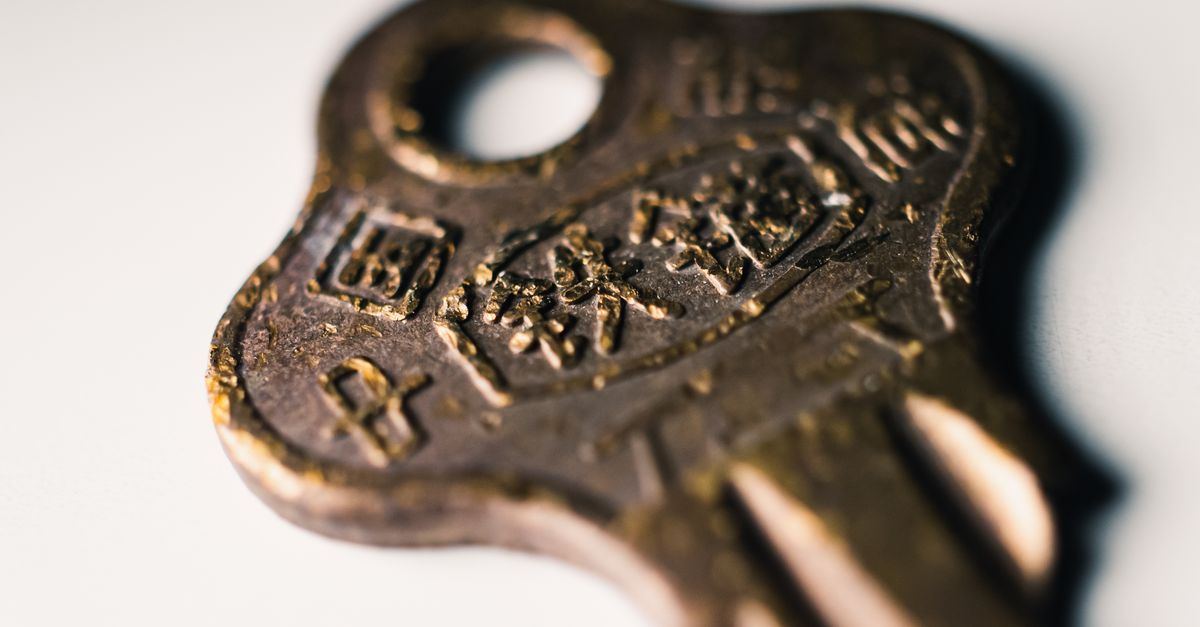
Mortise Lock Replacement: Choosing the Right Lock Set for Your Door — West Broadway Locksmith

Common Mortise Lock Repair Issues in NYC Apartments and Brownstones

The most frequent service calls we receive involve a deadbolt that turns but does not fully extend, a lever handle that droops or spins without retracting the latch, and a cylinder that has become so worn that the key turns only with significant force. In pre-war buildings, these symptoms are almost always caused by decades of cumulative wear on the internal cam followers and spring stack, compounded by building settlement that has shifted the door frame slightly out of alignment. A misaligned strike plate is often the silent culprit: the bolt has to fight the frame on every lock cycle, and that stress transfers back into the case mechanism over thousands of uses.

Older cast-iron cases can also crack internally, and the tubular springs that drive the latchbolt are notorious for fatigue failure in locks that are forty, sixty, or eighty years old. When we open a case and find a cracked body or exhausted spring pack, repair is sometimes possible using replacement internals sourced for period-correct hardware — but in many cases a full lock body swap is the more reliable long-term solution. For buildings with exterior door mortise lock sets that also handle deadbolt function, we always verify that the new or repaired case meets New York City multiple-dwelling law requirements for tenant security before we close up and leave the site. If you are dealing with a lockout while waiting on a repair, call 646-809-7510 right now — our team answers every call around the clock.

What Is a Mortise Lock and Why Pre-War Buildings Rely on Them — West Broadway Locksmith

Mortise Lock Replacement: Choosing the Right Lock Set for Your Door

Replacing a mortise lock in a pre-war door is not as straightforward as ordering a box online. The mortise pocket dimensions, backset distance, spindle height, and hub spacing all have to match the existing cutout, or the door stile must be re-routed — a process that requires a skilled hand to do without weakening the door. Our technicians measure every critical dimension before sourcing a replacement case, and where a direct drop-in is not available, we fit the closest compatible body and make any necessary adjustments on-site using professional-grade equipment. We work with a range of contemporary and legacy-specification hardware, including cases that accept standard small-format interchangeable cores for buildings that want to transition to a master-key system.

For residents and property owners who want to modernize without losing the look of their original hardware, there are also smart mortise lock options worth considering. These units retain the slim mortise format and operate with the same lever or thumb-turn trim as a traditional set, but add keypad, RFID card, or app-based access to the cylinder position. Similarly, electric mortise lock configurations — where a solenoid or motor controls the deadbolt throw remotely — are increasingly popular in the vestibules of multi-family buildings where a superintendent needs remote access control. Our commercial locksmith experience means we can spec, supply, and install these upgraded systems while keeping the door's original profile intact. One note: sliding door mortise lock hardware follows a narrower case profile than a swinging door set and is a separate product category entirely — if your pre-war building has interior sliding pocket doors with original hardware, those require specialized sourcing that our team can also handle.

Mortise Lock Replacement: Choosing the Right Lock Set for Your Door — West Broadway Locksmith

How West Broadway Locksmith Handles the Repair or Replacement Visit

Every service call starts the same way: a trained technician arrives at your address — whether that is a fifth-floor walk-up in Washington Heights or a parlor-floor brownstone on West 84th Street — and performs a full inspection of the door, frame, and existing lock body before any work begins. We confirm an exact up-front price that covers the diagnosis, labor, and any parts needed; factors that influence that quote include the complexity of the lock mechanism, the parts required, how far our nearest vehicle is from your location, and whether the call comes in during overnight hours. There are no surprise charges added after the fact. Our mobile service vehicles are stocked with replacement mortise lock sets, spare cylinders, strike plates, spindles, and the machining tools needed to fit non-standard pocket dimensions — because in New York, the unexpected is routine.

Where possible, we perform all work without damaging the door or frame. Pre-war doors are often solid-core mahogany or Douglas fir with ornate moldings that cannot simply be patched; we treat every door as the irreplaceable architectural piece it is. After the lock body is serviced or replaced, we test every function — latch retraction, deadbolt throw, cylinder turn, interior thumb-turn, and exterior key operation — under the door's actual load conditions, adjusting the strike plate and latch keeper if any friction remains. We hand you working keys, walk you through the operation of any new hardware, and do not consider the job finished until everything functions the way it should. For urgent situations, including lockouts and broken cylinders that leave a door unsecured, call 646-809-7510 — we are available 24 hours a day, every day of the year, and our mobile team covers all five boroughs.

Frequently asked questions

What is a mortise lock and how is it different from a regular door knob lock?+

A mortise lock is a self-contained lock mechanism — latch, deadbolt, and internal working parts — housed in a single rectangular case set into a deep pocket cut into the door edge. A standard door knob lock, by contrast, passes individual bolt components through separate bored holes and uses the knob or lever as its primary housing. The mortise design is significantly more robust and tamper-resistant, which is why it became the default choice for New York's pre-war residential and commercial construction and why it remains preferred in high-security applications today. The trade-off is that repair and replacement require more specialized skill and tooling than a simple cylindrical lock swap.

How much does an NYC locksmith cost for a mortise lock repair or replacement?+

There is no single flat rate because several variables determine the final price: the condition and type of the existing lock body, whether parts need to be sourced for an older or non-standard case, the time of day the call comes in, and how far our nearest mobile unit is from your location. What we can promise is that we confirm an exact up-front price before any work begins, so you know the full scope of what you are agreeing to. There are no hidden fees added after the fact. To get an accurate quote for your specific door and lock, call 646-809-7510 and describe the situation — we can give you a real figure quickly.

How much does an emergency locksmith cost near me if I'm locked out of my apartment at 2 a.m.?+

Emergency call pricing reflects the reality of overnight mobile service: a technician traveling across New York City at 2 a.m. to reach your building carries different overhead than a scheduled afternoon appointment. The factors that shape the quote are the time of the call, travel distance from the nearest available technician, and the work required once on-site — whether that is a simple lockout opening, a cylinder swap, or a full mortise lock repair. We tell you the price before we start, every time. Call 646-809-7510 and we will give you a straight answer immediately, not after we arrive.

How do I find a legit locksmith in New York City and avoid a scam?+

The most reliable signs of a trustworthy locksmith are a verifiable local phone number, a fixed business address or service area you can confirm, technicians who arrive in marked vehicles, and a company that states a clear price before starting any work. Be cautious of any provider who gives a suspiciously low estimate over the phone and then dramatically increases the charge once they are at your door — that is the hallmark of a bait-and-switch operation that unfortunately targets New York renters. Ask whether the technician is trained and insured. West Broadway Locksmith operates with full transparency: our number is 646-809-7510, we confirm pricing up front, and our insured technicians carry identification on every call.

What is a locksmith call out fee and does West Broadway Locksmith charge one?+

A call out fee, sometimes called a dispatch or service call fee, is a base charge that covers the cost of sending a technician to your location regardless of the work performed. How that fee is structured varies by provider — some roll it into the total job price, others itemize it separately. When you call 646-809-7510, we walk you through exactly how your total is composed before any work begins, so you understand what you are paying for and why. There are no surprise line items added after the job is done.

Can you replace a mortise lock cylinder without replacing the entire lock body?+

Yes, in most cases the mortise lock cylinder can be removed and replaced independently of the case. The cylinder threads into the face of the lock body, and as long as the internal cam that connects the cylinder to the lock mechanism is in good condition, a cylinder swap — or a rekey of the existing cylinder — resolves most key-related issues without touching the case. Our technicians assess the internal cam and follower as part of every cylinder service call. If the case shows signs of wear or damage that a cylinder swap alone will not fix, we will explain exactly what we found and what the repair options are before proceeding.

Locked out or need a lock fixed? We are on the way.

We answer 24/7 — talk to a real local locksmith now.

646-809-7510