What Goes Into Modern Car Key Replacement
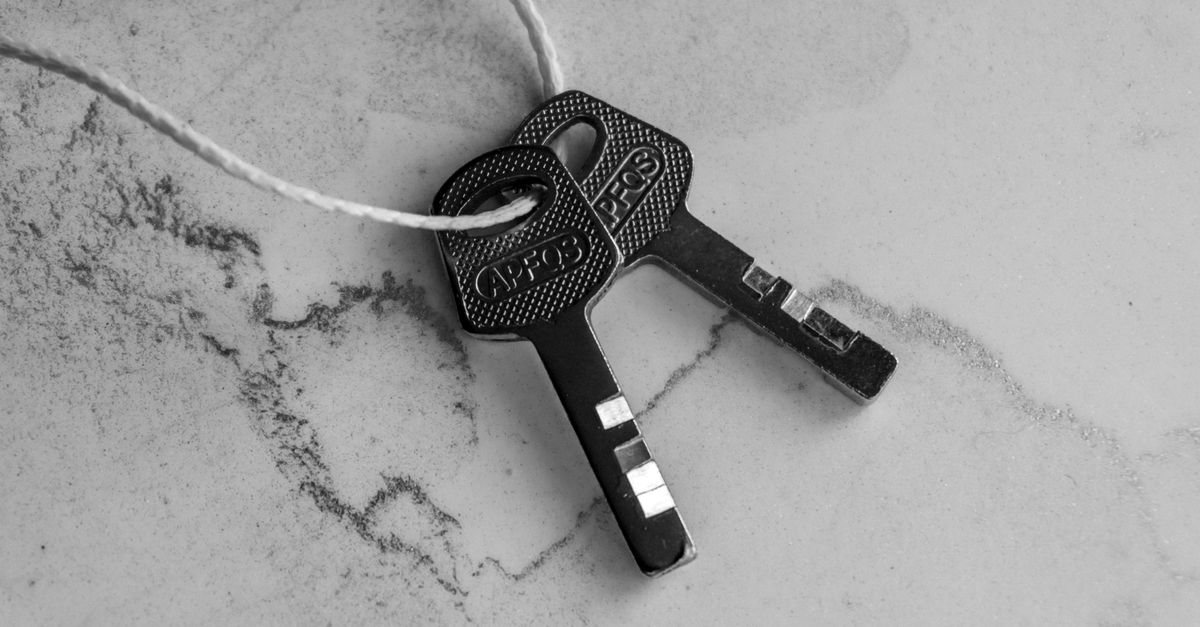
Replacing a vehicle key today is a two-part process: physical cutting and electronic programming. The cutting must match your vehicle's specific key profile — a standard double-sided blade for older domestics, a sidewinder or internal-cut laser key for many European and newer Japanese makes, or a specialized shell with embedded circuitry for smart-key fobs. Our mobile units carry programmable key blanks and cutting equipment compatible with thousands of vehicle configurations, so we rarely need to order parts in advance. For most makes and model years, we can complete the entire job on the spot.
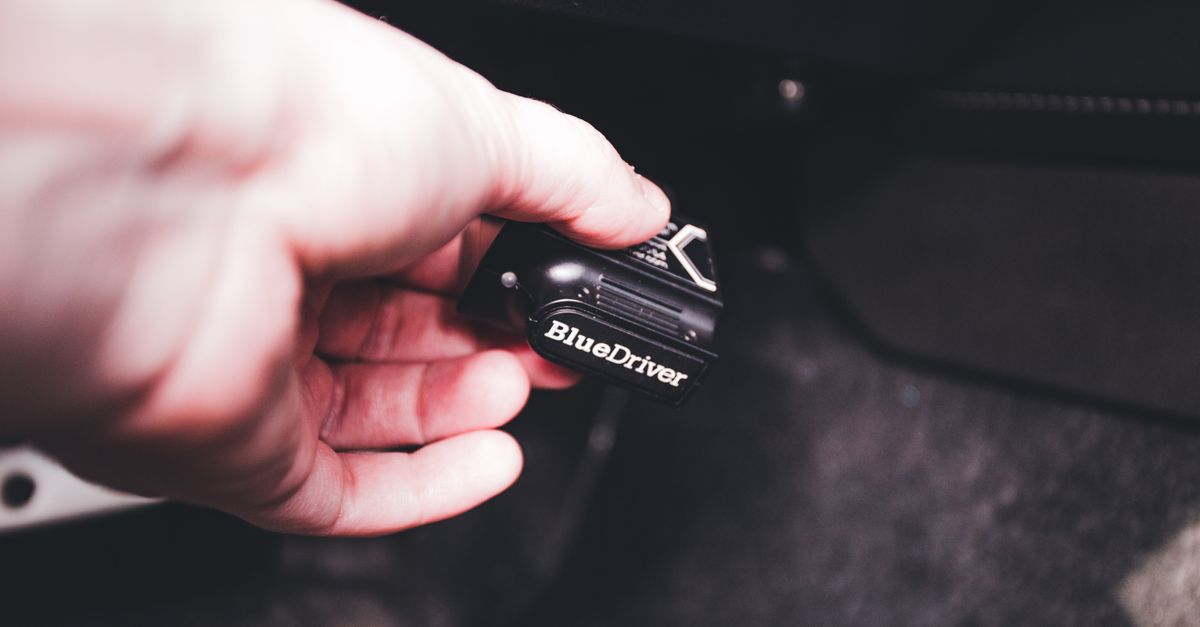
The programming side is where brand-specific expertise really matters. Each manufacturer uses its own immobilizer protocol and, in many cases, proprietary security handshakes that require OEM-compatible diagnostic software to complete. Toyota and Lexus vehicles, for instance, use an all-key-lost procedure through the OBD-II port that must be performed within a precise timing window. BMW and Mercedes-Benz high-security systems require reading the key data from the vehicle's body control module before writing a new key. Hyundai and Kia models from recent years use encrypted pin codes tied to the VIN. Our technicians are trained on each of these systems individually — this is not a one-size-fits-all process, and we treat it accordingly.