West Broadway Locksmith Service Team
Local locksmith team
May 5, 2026 10 min read
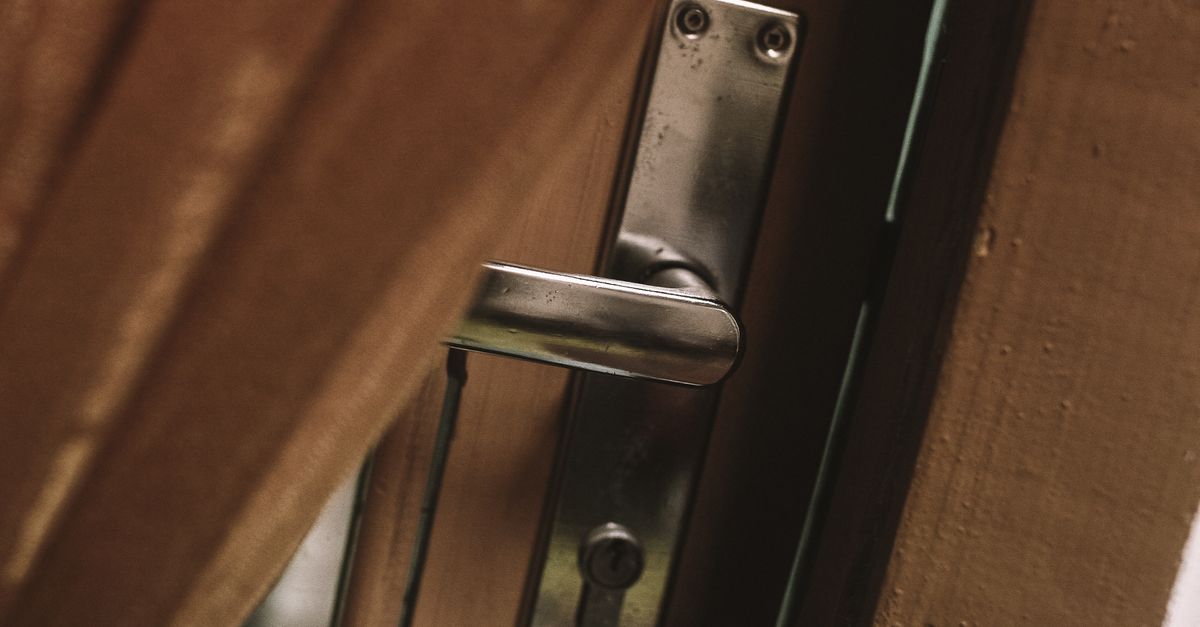
If you run a business in New York City — whether it's a boutique on West Broadway in SoHo, a law office in Midtown, or a retail shop along Broadway in Astoria — your front door is more than an entrance. It's a legal obligation. NYC building and fire codes are specific about how commercial doors must lock, how they must open in an emergency, and what hardware is required to stay compliant. Many business owners discover these rules only after a failed inspection or an incident, which is never the right moment to learn them.
This guide breaks down what NYC businesses actually need to know about panic hardware, mortise locks, egress requirements, and the right commercial door locksmith to call when something needs to change. Whether you're fitting out a new office, upgrading after a break-in, or just trying to pass your next inspection, the information below is meant to be genuinely useful — not just a list of lock names.
## Why Commercial Door Locks Are Not the Same as Residential Locks
A mortise lock is the backbone of most commercial door security in New York. Unlike a cylindrical lock that fits into a simple bored hole, a mortise lock is installed by cutting a deep rectangular pocket — the mortise — into the edge of the door. Inside that pocket sits a full lockcase containing the latch, deadbolt, and often a variety of cam-driven functions, all operated through a single cylinder. On a glass storefront, you'll typically see a commercial glass door locks mortise lock cylinder arrangement, where a narrow-stile aluminum frame door relies entirely on the mortise mechanism for both latching and security. These locks handle far more daily cycles than a residential deadbolt, and in NYC's high-traffic environments, that durability is not optional — it's the minimum expectation.
Office doors often use a mortise lock with a lever trim. What matters in NYC is that the lever meets ADA accessibility requirements — it must operate with one hand and without tight grasping, pinching, or twisting. If you've ever seen a description like 'office door lock 3 lever' configuration, this refers to the number of lever functions the lock body can perform: entry, privacy, and passage, for example. Getting the right function for the right door — a storeroom function on a supply room, an entry function on the front door — is something an experienced commercial door locksmith should specify for you, not something to guess at from a product listing.
## Panic Hardware, Egress Rules, and the Mortise Lock Connection
New York City follows the International Building Code as amended by the NYC Construction Codes, and those rules are specific about egress. Any door serving an assembly occupancy — a restaurant, a gym, a venue with an occupant load of 50 or more — is required to have panic hardware, also called a crash bar or exit device. The mechanism must unlatch with 15 pounds of force or less, applied in the direction of travel, with no prior knowledge required to operate it. This is a life-safety requirement, not a suggestion, and the NYC Department of Buildings enforces it. A commercial locksmith who works regularly in the five boroughs will know exactly which occupancy categories trigger this requirement and which do not.
The mortise lock and panic hardware are not mutually exclusive. Many exit devices use a mortise lockcase as their internal mechanism, with the touchbar connected to the mortise actuator. This means the door can be secured with a keyed cylinder from the outside while remaining pushbar-operable from inside at all times. If your storefront has a double-door configuration — common on Canal Street retail spaces or ground-floor office lobbies in the Financial District — you'll need coordinated exit devices on both leaves, along with the correct sequence of operation. Getting this wrong doesn't just risk a code violation; it can create a genuine danger to employees and customers. If your hardware is aging or was installed without a permit, now is a good time to call 646-809-7510 and have a qualified locksmith evaluate what you have.
## Jimmy Proof Locks, Mortise Locks, and Break-In Resistance for NYC Storefronts
A term that comes up often in older NYC commercial buildings is jimmy proof door locks. These are surface-mounted interlocking deadbolts — the bolt itself has a rim that wraps around the strike, making it extremely difficult to pry or jimmy the door open. They were and still are a popular secondary lock on metal-frame doors, particularly in older Lower East Side and Bushwick commercial spaces where the door frames are not always ideal for a full mortise installation. They're not a replacement for a properly installed mortise lock, but they add a meaningful layer of resistance at a lower installation cost, which makes them a common choice for auxiliary security on side or rear doors.
For main storefronts, a mortise lock with a high-security cylinder — such as those with anti-pick, anti-drill, and anti-bump features — is the standard recommendation from any experienced commercial door locksmith working in NYC. The cylinder brand matters. Products from established hardware manufacturers offer key control options, meaning only an authorized party can cut additional keys. This is important for businesses with staff turnover. If you've recently had an employee leave without returning a key, rekeying or replacing the cylinder is not optional — it's the responsible move, and a skilled locksmith can do it quickly with minimal disruption to your business day.
## How a Commercial Locksmith Evaluates Your Business Door Setup
When a professional commercial locksmith assesses a business door, the process goes beyond just looking at the lock. They check the door frame condition, the hinge security, whether the strike plate is anchored into the framing or just the casing, the gap between door and frame, and the condition of any existing mortise lock components. On glass storefront doors, they'll examine the condition of the narrow-stile frame and whether the existing cylinder has the correct cam for the lockcase. These details determine whether a rekey, a cylinder upgrade, a full mortise lock replacement, or new panic hardware is the right answer — and they also determine the final cost of the work.
Cost factors for commercial locksmith work in NYC include the type of lock or exit device being installed, the condition of the existing door preparation, whether any welding or frame modification is needed, the time of day (emergency calls outside business hours involve different logistics), and the travel distance to your location. At West Broadway Locksmith, we confirm an exact up-front price before any work begins, so there are no surprises when the job is done. If you want a realistic sense of what your situation requires, the most efficient step is to call 646-809-7510 — we're available around the clock, seven days a week, and we can often give you a useful assessment over the phone before we arrive.
## Staying Ahead of Compliance: Practical Steps for NYC Business Owners
Compliance in NYC is not a one-time event. Occupancy changes, renovations, and new lease agreements can all trigger re-inspection requirements. Here's a practical framework: First, know your occupancy classification under the NYC Construction Code — it determines which egress and hardware rules apply to your space. Second, have a qualified locksmith inspect all commercial door hardware at least once a year, noting any worn mortise lock components, damaged cylinders, or exit devices that require excessive force to operate. Third, keep records of any lock installations or hardware changes, including what was installed and when — this matters during a DOB inspection. Fourth, if you're signing a new commercial lease in buildings along corridors like Varick Street or the Garment District, ask specifically whether the existing door hardware meets current code before you take occupancy, because retrofitting after move-in is far more disruptive.
West Broadway Locksmith serves businesses across Manhattan, Brooklyn, Queens, the Bronx, and Staten Island. Our team is insured and brings hands-on experience with the full range of commercial hardware — mortise locks, panic bars, electric strikes, access control integration, high-security cylinders, and more. We work with the realities of NYC construction: narrow-stile glass doors, hollow-metal frames, historic cast-iron storefronts, and modern curtain-wall office entries. If your business needs a hardware assessment, a compliance upgrade, or an emergency locksmith response when something fails overnight, we're the team to call. Reach us any time at 646-809-7510.
## Our Commercial and Residential Locksmith Services
West Broadway Locksmith offers a wide range of services for businesses and residents across the New York area, including: mortise lock installation and repair, mortise lock cylinder replacement and rekeying, panic hardware and crash bar installation, exit device inspection and maintenance, commercial glass door locks and narrow-stile door hardware, high-security cylinder upgrades, master key system design and implementation, electric strike and electromagnetic lock installation, access control system integration, keypad and smart lock installation for office doors, storefront lock replacement after break-in, door knob lock replacement and repair, jimmy proof deadbolt installation, surface-mounted rim lock installation, door frame and strike plate reinforcement, commercial door closer adjustment and replacement, residential deadbolt installation and upgrade, apartment building master key rekeying, mailbox lock replacement, car lockout response, automotive key cutting and key fob programming, transponder key replacement, ignition cylinder repair and replacement, safe opening and combination changes, lock-out response for businesses after hours, emergency locksmith dispatch for damaged or broken locks, door hinge security pin installation, multi-point lock system service, peephole installation, and padlock and hasps for security gates. Whether your need is routine maintenance or an urgent after-hours lockout, our team is equipped to handle it on-site, the same day.
Frequently asked questions
How much does an NYC locksmith cost, and what affects the price?+
The price for locksmith work in NYC depends on several factors: the type of lock or hardware involved (a mortise lock replacement costs differently than a simple rekey), the complexity of the door preparation, the time of day the work is needed, travel distance to your location, and whether any specialty parts are required. Emergency locksmith calls outside regular business hours involve different logistics that affect the final quote. At West Broadway Locksmith, we always confirm an exact up-front price before any work begins — you'll know the full cost before we touch anything.
How much is the average locksmith charge for a call-out fee in New York?+
What some locksmiths call a call-out fee covers the cost of dispatching a technician to your location before any work is done. The amount varies based on how far the technician needs to travel, the time of day, and the urgency of the call. Rather than quoting a generic figure, we assess each situation individually and give you a clear, confirmed price upfront. There are no hidden fees added after the fact — what we quote is what you pay.
How do I find a legitimate locksmith in NYC and avoid scams?+
This is a genuinely important question in New York. A few things to look for: the locksmith should be reachable by a local phone number (not a national call center that dispatches subcontractors), they should be able to give you a clear price before starting work, and they should arrive in a marked or identifiable vehicle with identification. Be cautious of anyone who quotes a very low number over the phone and then dramatically increases the price once on-site. Ask the technician directly about their experience with your specific type of lock or door. At West Broadway Locksmith, we operate as a local NYC team — call 646-809-7510 and you'll speak directly with us.
How much does an emergency locksmith cost near me, and does time of day matter?+
Yes, time of day is one of the real factors in emergency locksmith pricing. A call at 3 a.m. after a break-in or a lockout involves after-hours dispatch logistics that a standard daytime appointment does not. The type of work also matters — an emergency mortise lock replacement on a commercial door requires more time and different parts than a residential door knob lock swap. We always provide a confirmed price before beginning any work, so you can make an informed decision even in a stressful moment. Call us at 646-809-7510 any time — we answer 24/7.