West Broadway Locksmith Service Team
Local locksmith team
Jun 30, 2026 12 min read
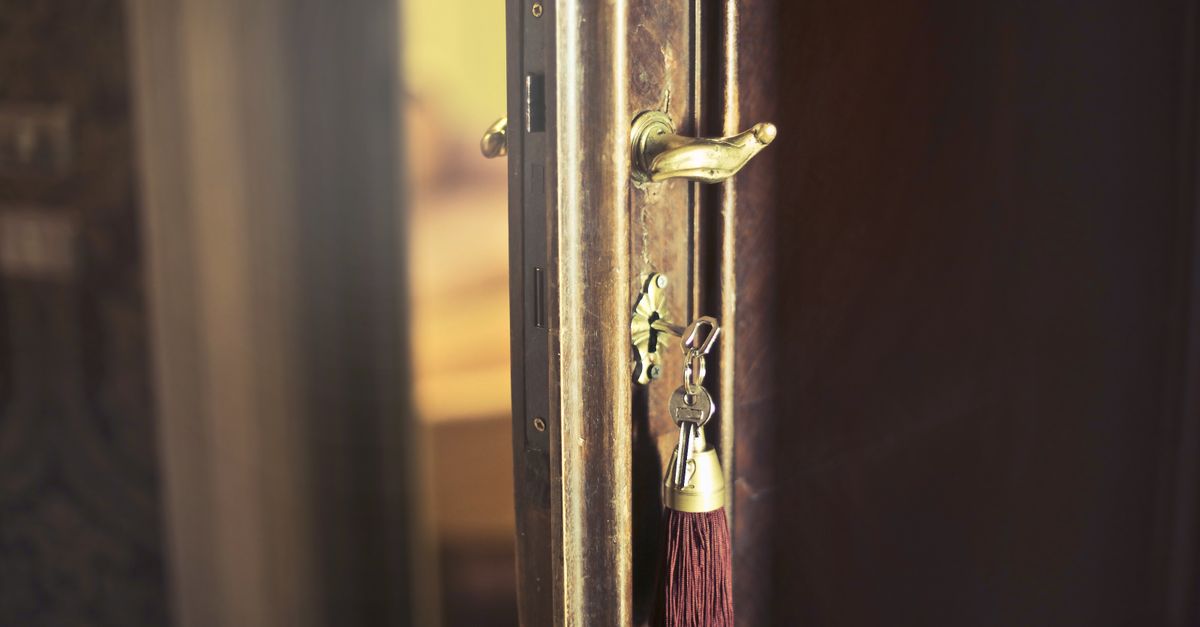
If you live in a pre-war building on the Upper West Side, Carroll Gardens, or Astoria, there is a good chance the lock on your front door looks nothing like the shiny knob-and-deadbolt combo you see in a big-box hardware store. Pre-war New York apartments and brownstones were built with a different locking tradition — one that still confuses homeowners, confuses movers, and occasionally surprises even general handymen. Knowing exactly what kind of lock is on your door is not just trivia. It determines which keys you can copy, what happens when you get locked out, and how a locksmith needs to approach a repair or replacement.
This guide breaks down the two lock types you are most likely to encounter in New York City homes: the mortise lock and the cylindrical door knob lock. We will explain how to tell them apart in thirty seconds, why each one behaves differently under stress, and what you should know before you call anyone to work on either one.
## What Is a Mortise Lock — and Why Do So Many NYC Doors Have One?
A mortise lock is a lock mechanism that is set into a deep rectangular pocket — called a mortise — cut into the edge of the door itself. Instead of sitting on top of the door face like a standard knob or lever, the entire lock body is hidden inside the door. What you see from outside is a trim plate, a cylinder (the part your key turns), and sometimes a thumb turn or lever handle. The latch and the deadbolt are both contained in that single internal cartridge, which is why a mortise lock set tends to feel heavier and more solid than anything you would find in a newer construction building. Run your finger along the edge of your door. If you see a faceplate roughly three to five inches long with both a spring latch and a bolt showing at the same time, you almost certainly have a mortise lock.
New York City's pre-war housing stock — buildings erected before roughly 1940 — was designed and built when the mortise lock was the industry standard. Architects specified them because they are mechanically robust and because the recessed installation means the lock mechanism is protected by the door itself rather than exposed hardware. Walk through any older building in the West Village, Bed-Stuy, or Inwood and you will find these locks on nearly every apartment door. Many of them are still the original units, now 80 or 100 years old and still functioning — a testament to how well the design holds up. That longevity is also why mortise lock repair and replacement is one of the most common calls we receive from New York homeowners.
## How a Cylindrical Door Knob Lock Differs From a Mortise System
A cylindrical door knob lock — sometimes called a knob lock or a tubular lock — works on a completely different principle. Instead of a body buried in the door, it uses a cylinder that passes through a circular bore hole drilled straight through the door face. The locking mechanism is inside the knob or lever itself. Installation requires two holes: one large bore through the face of the door and one smaller hole in the edge for the latch. Because the hardware is mounted on top of the door rather than inside it, a door knob with lock and key is much simpler to install and replace. That is why newer construction, renovated apartments, and most residential suburban homes in the outer boroughs built after the 1950s tend to use them.
The practical difference matters most when something goes wrong. A cylindrical knob lock that fails can usually be swapped out with a standard replacement from any hardware supply — the bore dimensions are largely standardized. A mortise lock body, by contrast, may be a specific size tied to the door's original mortise pocket. Put in a cartridge that is even slightly the wrong length and the faceplate will not seat flush, the bolt will not throw cleanly, and you may create a gap that compromises the security of the door entirely. This is why lock work on older New York doors is not a simple drop-in job, and why homeowners in pre-war buildings are better served calling an experienced locksmith than attempting a DIY swap based on a video tutorial filmed in a Florida suburb.
## Spotting the Difference in 30 Seconds — a Practical Visual Check
You do not need any tools to identify your lock type. Stand in front of your door and look at the edge — the narrow strip of wood or metal that faces the door frame. On a mortise lock, the faceplate running along that edge is noticeably tall, usually three inches or more, and you will see two separate openings: one for the spring latch (the angled bolt that catches automatically when the door closes) and one for the deadbolt directly above or below it. The whole assembly looks like one integrated unit set flush into the door edge. On a cylindrical door knob lock, the edge plate is small — typically an inch or inch and a half — with only the latch bolt showing. The deadbolt, if there is one, will be on a completely separate plate higher or lower on the door edge. That separation is the giveaway.
A second quick check is the knob or handle itself. On a mortise system, the handle is usually attached to a square spindle that passes through the lock body and is secured by screws on the trim plate — the handle and the lock are mechanically linked. On a standard door knob with lock, the knob is retained by a hidden spring clip inside the rose plate, and if you look closely you may see a small slot or pinhole on the neck of the knob where a removal tool is inserted. Once you know what to look for, identification takes less than a minute. If you are still unsure, take a photo of the edge of your door and the face hardware and text or email it to us — we can identify the lock type before we ever arrive at your door.
## Mortise Lock Repair, Emergency Locksmith Calls, and Pre-War Door Realities
Getting locked out of a pre-war apartment is a specific situation that calls for a locksmith with hands-on experience with older hardware. Emergency locksmith work on a mortise lock is not the same as popping a standard knob lock on a modern door. The cylinder inside a mortise lock is often a different profile — many older New York buildings used Corbin, Sargent, or similar profiles that require specific pick tools and extraction techniques known to experienced professionals. A locksmith who works primarily on newer residential or automotive hardware may not carry the right tools or replacement cylinders for an 80-year-old unit, which means you could be waiting for parts or facing an unnecessary door modification. Our team works across all five boroughs and carries an inventory that specifically accounts for the lock hardware most common in New York's older residential buildings.
If you are experiencing a mortise lock that drags, a bolt that will not throw fully, or a key that turns but the latch does not retract, those are warning signs that the internal cam or tailpiece is worn — not a reason to replace the entire door or frame. In most cases, the cylinder can be re-keyed or the internal mechanism serviced without disturbing the pocket in the door at all. When a full replacement is necessary, we measure the existing mortise pocket and source a mortise lock set that matches the original dimensions so no additional carpentry is required. If you are dealing with a lock issue right now and need someone on site quickly, call 646-809-7510 — we are available 24 hours a day, seven days a week, and we travel throughout the New York area.
## What New Yorkers Should Know About Locksmith Costs, Credentials, and Avoiding Scams
One of the most common questions we hear — especially after an emergency lockout at midnight in Washington Heights — is some version of: how much does an emergency locksmith cost near me, or what is a locksmith call out fee? The honest answer is that the final price depends on several factors: the type of lock involved (a mortise lock set with a worn mechanism takes more time and specialized parts than a simple knob lock rekey), the time of day the call comes in, travel distance to your location, and whether any replacement hardware is needed. We confirm an exact price with you before any work begins. There are no surprise charges added after the job is done. When someone asks how much is the average locksmith charge, the right answer from any honest locksmith is always: it depends, and here is what it depends on — not a number shouted at you over the phone before anyone has seen your door.
How to find a legit locksmith in New York City is genuinely important, because the city has a history of deceptive locksmith advertising. A few practical markers of a trustworthy provider: they give you a clear written or verbal price before touching your lock, they can explain what they are doing and why, they carry appropriate tools for the lock type on your door, and they are insured. You should never be pressured into work you did not ask for. At West Broadway Locksmith, we are a mobile, 24-hour team serving the New York area — not a call center that dispatches subcontractors. When you call 646-809-7510, you are reaching our team directly. We are experienced in the full range of residential, commercial locksmith work, and automotive lock services, with particular depth in the older lock hardware that defines New York's housing stock.
## Services West Broadway Locksmith Provides Across the New York Area
Our mobile team handles a wide range of lock and security needs throughout New York City and the surrounding area. Residential services include: mortise lock repair and replacement, mortise lock set sourcing and installation, cylindrical knob lock installation and replacement, door knob with lock installation, residential rekey, deadbolt installation, master key system setup for multi-unit buildings, lock upgrades for pre-war apartment doors, mailbox lock repair and replacement, gate lock installation, padlock services, door reinforcement hardware installation, lock-out response for apartment and house lockouts, broken key extraction, and door frame repair coordination following forced entry. On the commercial locksmith side, we handle commercial door lock installation and repair, high-security lock upgrades for storefronts and offices, commercial rekey after tenant turnover, access control hardware installation, panic bar and exit device service, file cabinet and desk lock service, and master key systems for commercial buildings. For automotive needs, we provide car lockout response, transponder key programming, key fob replacement, ignition lock cylinder service, and duplicate car key cutting for most makes and models. All services are available 24 hours a day across all five boroughs and surrounding areas.
Frequently asked questions
What is a mortise lock and how is it different from a regular door knob lock?+
A mortise lock is a lock mechanism installed inside a deep rectangular pocket cut into the door edge, containing both the latch and deadbolt in one body. A regular door knob lock, also called a cylindrical or knob lock, sits in a round bore hole drilled through the door face, with the mechanism housed inside the knob itself. The main practical difference is that a mortise lock requires matching the exact dimensions of the existing pocket in the door for any replacement, while a cylindrical knob lock uses largely standardized bore sizes. Pre-war buildings in New York City almost universally use mortise locks, while newer construction more commonly uses cylindrical locks.
How much does an NYC locksmith cost, and what is a call-out fee?+
The cost of locksmith service in New York City depends on several factors: the type of lock being serviced (a mortise lock set with worn internal parts involves more labor and specialized components than a standard knob lock rekey), the time of day (overnight and weekend calls involve different pricing than standard business hours), travel distance to your location, and whether replacement parts or hardware are needed. A call-out or service fee covers the cost of a professional traveling to your location and diagnosing the problem. At West Broadway Locksmith, we confirm the full price with you before any work starts, so there are no surprises at the end of the job. Call 646-809-7510 for a direct, honest quote.
How do I find a legit locksmith in NYC and avoid scams?+
Finding a trustworthy locksmith in New York City comes down to a few key signals. A legitimate locksmith will give you a clear price before starting any work, will arrive with the proper tools for your specific lock type, will be able to explain what is wrong and what the repair involves, and will be insured. Be cautious of any locksmith who quotes a very low number over the phone and then adds charges once they have started working, or who immediately recommends drilling a lock that could be opened non-destructively. It also helps to call a direct, local team rather than a call center. West Broadway Locksmith is a mobile New York City team you can reach directly at 646-809-7510, 24 hours a day.
Can I pick or bypass a door knob lock if I am locked out of my own apartment?+
If you are locked out, the safest first steps are checking whether a spare key is accessible — with a trusted neighbor, a building super, or a family member — or whether another entrance to the unit is unlocked. Attempting to manipulate or bypass a lock without the proper tools and training risks damaging the lock mechanism, the door frame, or the door itself, which can turn a simple lockout into a costly repair. This is especially true for mortise locks in pre-war doors, where forcing the mechanism can damage an irreplaceable or difficult-to-source lock body. The most practical and damage-free path is to call a professional locksmith who can open the door without destroying the hardware. Our team responds to lockouts across New York City around the clock — call 646-809-7510 any time.